Guides
How to Clean Kitchen Cabinets (Including Sticky, Greasy Ones)
October 19, 2026

Kitchen cabinets get dirty so slowly that you barely notice, until you touch the door next to the stove and it's a little tacky. That film is cooking grease mixed with dust and fingerprints, and it builds up fastest around the range, the trash pull-out, and every handle you grab with messy hands. The good news is that you don't need a harsh degreaser for most of it. Warm water, a few drops of dish soap, and a damp Swedish dishcloth do most of the work.
Short answer: mix warm water with a few drops of dish soap, dip a Swedish dishcloth, wring it until it's just damp, and wipe each cabinet door from the top down, working with the grain on wood. For sticky grease, let a soapy cloth sit on the spot for a minute or use a soft baking soda paste, then wipe. Finish with a plain-water rinse wipe and dry right away. One cloth absorbs up to 15× its weight, so it lifts the grime instead of leaving drips running down the doors.
Why kitchen cabinets get sticky
Every time you sauté, fry, or boil, tiny droplets of oil drift up with the steam and settle on nearby surfaces. On their own they're invisible. Over a few weeks they catch dust and turn into that tacky, slightly yellow film. The worst spots are usually:
- Doors and frames above and beside the stove, where steam and grease rise
- The cabinet tops and range hood area, which nobody looks at
- Handles, knobs, and the edges of doors, where hands land mid-cooking
- Lower doors near the trash and sink, which collect drips and splashes

Before you start: know your cabinet finish
The finish matters more than the cleaner. If you still have the manufacturer's care instructions, they win over any general guide, including this one.
- Painted cabinets: gentle soap and water only. Skip anything abrasive, since paint can scuff or go dull.
- Stained or sealed wood: a barely damp cloth, wiping with the grain. Water is the enemy of wood, so never soak the doors.
- Laminate, thermofoil, and melamine: very forgiving. Soapy water works great. Avoid high heat, like a steamer, which can loosen the edges.
- High-gloss or lacquered doors: soft wiping only, then a dry buff to prevent streaks.
Whatever you have, test any new method on a hidden spot first, such as the inside of a door.
What you need
- A bowl of warm water with a few drops of dish soap
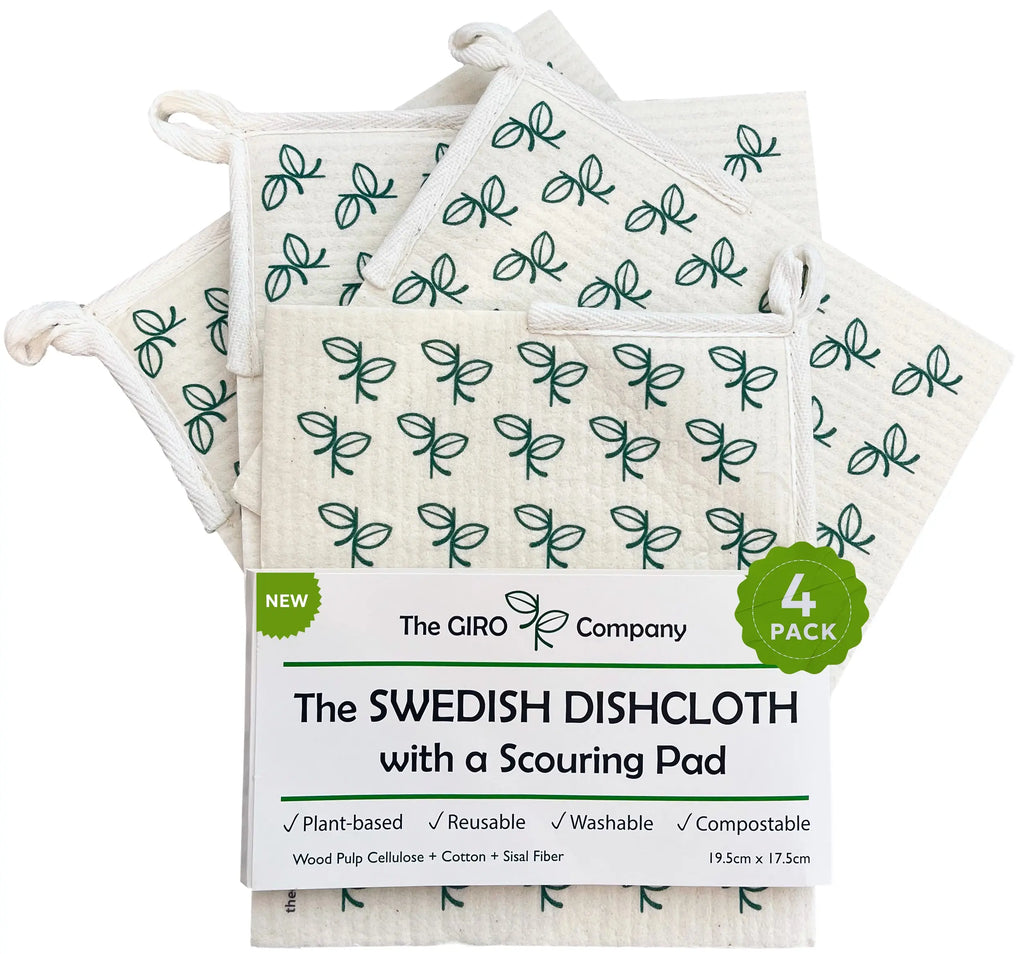
- Two Swedish dishcloths (about 8×7 in each): one for the soapy wash, one for the plain-water rinse wipe
- A dry towel or a third, well-wrung cloth for drying
- Baking soda (optional, for sticky grease)
- White vinegar (optional, for laminate only, see below)
- An old soft toothbrush for corners and hardware
Step-by-step: how to clean kitchen cabinets
- Clear the counters below. Drips run down, so give yourself room and work from the top cabinets to the bottom ones.
- Dust first. Run a dry cloth over the cabinet tops and door ledges. Wet dust turns into mud. (Dusting tips are in how to dust with a Swedish dishcloth.)
- Dip and wring. Wet a Swedish dishcloth in the soapy water and wring it out well. You want it damp, not dripping. This is the most important step for wood and painted cabinets.
- Wipe from the top down. Clean each door in long, even strokes, with the grain on wood. Do the frame and the door edges too, since that's where hands land.
- Rinse the cloth often. Swish it in the bowl and wring it again every door or two so you're lifting grease, not spreading it.
- Rinse wipe. Go over each door with your second cloth dipped in plain water and wrung out. This removes soap film that would attract new dust.
- Dry right away. Buff each door dry. Standing water is what damages wood and swells the edges of laminate doors.

How to clean greasy kitchen cabinets
If the doors near the stove feel sticky even after a soapy wipe, step it up gradually:
- Let the soap work. Press a warm, soapy, well-wrung cloth against the sticky area for a minute so the soap can loosen the grease, then wipe. Dish soap is made to break down grease, so this alone often does it.
- Try a soft baking soda paste. Mix about 2 parts baking soda to 1 part water. Rub a thin layer onto the sticky spot with a damp cloth, using gentle circles, then wipe it off completely. Test a hidden spot first on painted or glossy doors, since baking soda is mildly abrasive.
- Rinse and dry. Do a plain-water rinse wipe so no gritty residue is left behind, then dry.
Your cloth's sisal scouring corner is handy for a dried drip on a sturdy laminate shelf or the inside of a cabinet, but keep it off painted, lacquered, high-gloss, and wood-finished doors. Use the soft waffle face there. (More on when to use the corner is in Swedish dishcloth with a scrubber.)
About vinegar: a 50/50 vinegar and water wipe can help cut film on laminate, but it's acidic and can dull wood finishes, some paints, and natural stone counters below. Skip it on wood and stone, and never mix vinegar with bleach.
Handles, knobs, and hardware
Hardware is the grimiest part of most cabinets because it's what everyone touches. Wipe each handle with a soapy cloth, then use a soft toothbrush around the base where gunk collects. For a deep clean, unscrew knobs and pulls and soak them in warm, soapy water for 15 minutes, then scrub, rinse, and dry fully before reattaching. Brass, matte black, or other specialty finishes may have their own care rules, so check before using anything stronger than soap.

Don't forget the inside
Once or twice a year, empty each cabinet and wipe the shelves with a damp, soapy cloth. Check under the sink for slow leaks while you're there. Let everything dry with the doors open before putting items back. It's also a good moment to declutter. Our guide on how to organize your kitchen walks through it.
How often should you clean kitchen cabinets?
- Weekly: a quick wipe of the handles and the doors closest to the stove and trash
- Monthly: a full exterior wipe-down of every door and frame
- Twice a year: empty and clean the insides, deep-clean the hardware, and wipe the cabinet tops
The weekly wipe is what keeps grease from ever getting sticky. It takes about five minutes if you do it while the dishwasher runs.
Why a Swedish dishcloth works well on cabinets
Cabinets need a cloth that's damp but not wet, and that's where a Swedish dishcloth shines. It holds water when you dip it, then wrings out almost dry, so you get a controlled, even wipe without drips running down the doors. Paper towels tend to shred on sticky grease, and a sponge often leaves streaks. Giro cloths are 70% cellulose (plant-based wood pulp) and 30% cotton, plastic-free, and made from biodegradable plant fibers. One cloth can replace up to 15 paper towel rolls over its life. Curious how they're built? Read what Swedish dishcloths are made of, or see how they compare in Swedish dishcloth vs microfiber.
Caring for your cabinet-cleaning cloth
- Rinse it in warm, soapy water after a greasy job, then squeeze gently
- Deeper clean: dishwasher top rack or machine wash, with no fabric softener
- Hang dry open by its loop so it dries quickly between uses
- Expect a cloth to last about 2–3 months of regular use. When it's worn out, you can cut it up and add it to a home compost pile if you compost at home
Full washing steps are in how to wash a Swedish dishcloth.
FAQ
What is the best homemade cleaner for kitchen cabinets?
For most cabinets, warm water with a few drops of dish soap is the safest and most effective option. Add a soft baking soda paste only for sticky grease spots.
How do I get sticky grease off wood cabinets without ruining the finish?
Use a well-wrung soapy cloth, let it rest on the spot for a minute, and wipe with the grain. Rinse with a damp plain-water cloth and dry right away. Skip vinegar and abrasive scrubbing on wood.
Can I use the sisal scouring corner on cabinet doors?
Keep it off painted, wood, glossy, and lacquered doors, since it can scuff them. It's fine for a dried drip on a sturdy laminate shelf or cabinet interior if you test a hidden spot and use light pressure.
Is vinegar safe for kitchen cabinets?
Diluted vinegar is usually fine on laminate, but it can dull wood finishes, some paints, and natural stone. When in doubt, stick with dish soap and water.
How do I clean the top of kitchen cabinets?
Dust first, then wipe with a soapy, well-wrung cloth and follow up with a rinse wipe. If the grime is thick, let the soapy cloth sit for a minute before wiping. The tops are often the greasiest spot in the kitchen.
The bottom line
Clean cabinets come down to a damp (not wet) soapy cloth, top-to-bottom wiping, and drying as you go. Give sticky spots a minute of soap or a soft baking soda paste, and keep a quick weekly wipe on the doors by the stove. A Giro cloth (70% cellulose / 30% cotton, about 8×7 in, sisal scouring corner) handles the whole job, then goes in the dishwasher. Giro packs come as a 4-pack / 8-pack / 16-pack ($11.96 / $19.98 / $34.96), shipped from San Mateo. Next up: how to clean kitchen countertops and how to clean stainless steel appliances.
Questions? Email help@thegirocompany.com.