Guides
How to Clean a Gas Stove Top (Grates, Burners & Caps)
October 21, 2026

A gas stove top looks fine from across the room. Then you lift a grate and find a sticky ring of boiled-over pasta water, crumbs under every burner, and a grease film that shows up the moment the light hits it. Gas cooktops have more nooks than flat glass ones: heavy grates, burner caps, burner heads with tiny flame ports, and knobs. Here's the good news. You don't need anything harsh. Hot water, dish soap, baking soda, and a Swedish dishcloth handle almost all of it.
Short answer: turn every knob off and let the stove cool. Lift off the grates and burner caps and soak them in hot, soapy water for 15 to 20 minutes. While they soak, wipe the cooktop with a soapy, well-wrung Swedish dishcloth, and put a baking soda paste on any baked-on spots. Scrub the grates and caps, clear clogged burner ports with a straight pin, then rinse, dry everything completely, and put it back together. Plan on about 30 to 45 minutes for a deep clean, plus a quick wipe after cooking to keep it that way.
Before you start: safety first
- All burners off, stove cool. Grates hold heat for a long time, so give them a good 20 to 30 minutes after cooking.
- Don't flood the igniters. The little ceramic nubs next to each burner make the spark. Wipe around them with a damp cloth instead of spraying or pouring water on them. A wet igniter tends to click without lighting until it dries.
- Check your manual. Some grates and caps are dishwasher-safe and some aren't. Bare cast iron, enameled cast iron, and sealed versus open burners each have their own care notes. If your manual says something different from this guide, follow the manual.
- Skip oven cleaner on the cooktop unless the manufacturer specifically says it's OK. It's strong stuff and can discolor finishes and burner parts.
What you need
- A sink or tub with hot water and a good squirt of dish soap
- Baking soda, plus a little water to make a paste
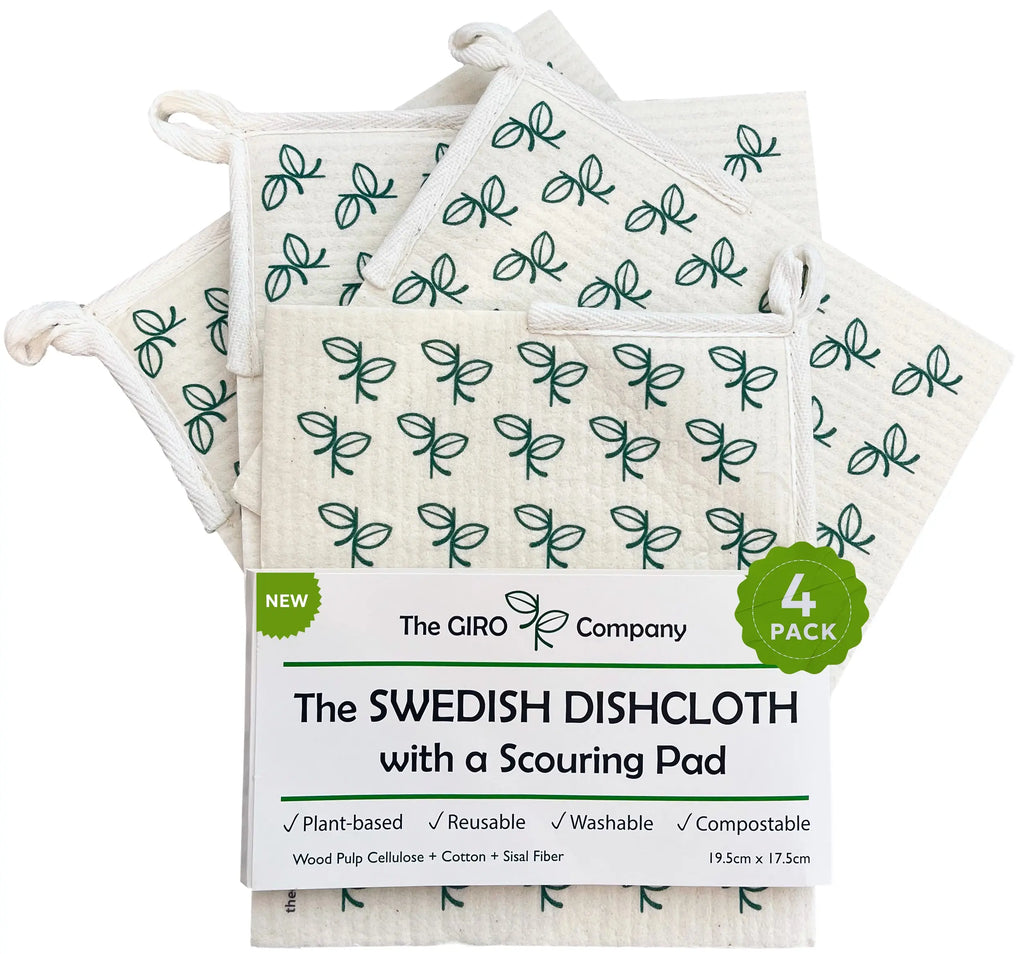
- Two Swedish dishcloths (about 8×7 in each): one for washing and one for rinsing and drying
- A soft-bristle brush or old toothbrush for grate corners
- A straight pin or a straightened paper clip for clogged burner ports
- A dry towel or rack to air-dry the parts
How to clean a gas stove top, step by step
1. Clear the crumbs and pull the parts
Lift off the grates, then the burner caps (the flat metal discs on top of each burner). If the burner heads lift out on your model, set them aside too. Pull off the knobs if they come off with a firm, straight tug, and drop them into a small bowl of soapy water. Then brush the loose crumbs off the cooktop into your hand or a dustpan.
2. Soak the grates and caps
Fill the sink with the hottest tap water you're comfortable with and add dish soap. Lay the grates and caps in it and let them soak for 15 to 20 minutes. That loosens most cooked-on grease, so you scrub less. If your grates are bare (uncoated) cast iron, keep the soak short and dry them right away to avoid rust. Enameled grates are much more forgiving.

3. Wipe the cooktop while the grates soak
Dip a Swedish dishcloth in the soapy water and wring it until it's damp, not dripping. Wipe the whole cooktop surface, working around the burner bases and igniters. Because a Swedish dishcloth absorbs up to 15× its weight, it picks up greasy water instead of pushing it around or letting it run under the burners.
For baked-on spots, mix about three parts baking soda to one part water into a thick paste. Spread it on the spots and let it sit for 10 to 15 minutes. Then work it gently with the soft side of the cloth and wipe it off. Repeat on anything stubborn rather than scrubbing hard. On an enamel or stainless cooktop, use light pressure and test anything more abrasive on a hidden spot first. If your cooktop is stainless, wipe with the grain; our stainless steel appliances guide has more on streak-free finishing.
4. Scrub the grates and burner caps
After the soak, most grime on the grates comes off with a soft brush and the cloth. For crusty bits in the corners, use the cloth's sisal scouring corner: a little baking soda on the corner and a few small circles usually do it. Sisal is a coarse plant fiber, so it gives you grip on cooked-on food without reaching for steel wool. Do the same for the burner caps, then rinse everything in clean water.

5. Unclog the burner ports
Look at the burner heads. If any of the little flame holes are packed with gunk, gently poke each one clear with a straight pin or a straightened paper clip. Go straight in and out, and don't twist or widen the hole. Avoid wooden toothpicks, which can snap off inside a port. Brush or wipe away whatever comes out.
6. Dry completely, then reassemble
This is the step people rush, and it matters most. Dry the grates, caps, and burner heads with a cloth, then let them air-dry until there's no moisture in the ports or under the caps. Put the burner heads and caps back so they sit perfectly flat and centered, set the grates on top, and push the knobs back on. Light each burner to check it. You want an even blue flame all the way around.
Burner won't light or the flame looks uneven?
- Clicking but no flame: the igniter or burner is probably still damp. Wait and try again later, or let it air-dry a bit longer.
- Uneven or patchy flame: the burner cap is likely sitting crooked. Lift it and reseat it so it's flat and centered.
- Yellow or orange, lazy flame: check for clogged ports or leftover debris and clean again. If it continues, or you ever smell gas, turn everything off and call your gas utility or a qualified appliance technician.
Make it easy: a 60-second wipe after cooking
Deep cleans get a lot easier when grease never has time to bake on. Once the stove is cool, give the cooktop and the front edge a quick wipe with a damp, soapy Swedish dishcloth, and catch boil-overs the same day. Then rinse the cloth, wring it out, and hang it by its loop. The oven door handle works great, since it's right there.

Once a week, take the grates off for a quick soapy wipe underneath, which is where crumbs hide. Most kitchens only need the full soak-and-scrub routine every month or so, or after a big spill.
Why a Swedish dishcloth works well on a gas stove
- It holds a lot of water and grease. Made from 70% cellulose (plant-based wood pulp) and 30% cotton, a Giro cloth absorbs up to 15× its weight, so one cloth can handle the whole cooktop.
- Soft face plus scrubbing corner. Wipe with the smooth waffle face and save the sisal scouring corner for crusty bits on grates and caps. More on that in our Swedish dishcloth with a scrubber guide.
- Fewer paper towels. Greasy stove cleanups can burn through a roll fast. One Swedish dishcloth replaces up to 15 rolls of paper towels over its life.
- Easy to clean afterward. Toss it in the washing machine or on the dishwasher top rack, skip the fabric softener, and hang it to dry. Our washing guide covers the details, and this one helps if grease leaves marks.
- Lasts and ends well. With regular washing, a cloth lasts about 2 to 3 months of daily use, and it's made from biodegradable plant fibers. When a cloth gets tired, retire it to stove and floor duty before you replace it.
Gas stove top FAQ
Can I put gas stove grates in the dishwasher?
Only if your manual says they're dishwasher-safe. Many enameled grates are, but bare cast iron isn't, and dishwasher detergent can dull some coatings over time. When in doubt, use the sink soak.
Can I use vinegar on a gas stove top?
Diluted vinegar is fine for cutting a light film on most enamel and stainless cooktops. Rinse with a plain-water wipe afterward. Don't combine it with baking soda in the same step expecting extra power; they mostly cancel each other out. For more, see can you use vinegar on a Swedish dishcloth.
How do I get burnt-on grease off cast iron grates?
Soak in hot soapy water, then scrub with a baking soda paste and a brush or the sisal scouring corner. Repeat instead of forcing it. For bare cast iron, dry immediately and, if your manual recommends it, wipe on a very thin coat of cooking oil to help prevent rust.
How often should I clean my gas stove top?
A quick wipe after cooking, grates off for a weekly wipe underneath, and a full soak-and-scrub roughly once a month, or sooner after a big boil-over.
Do you have a guide for electric or glass cooktops?
Yes. See how to clean an electric stove top. And if the oven below needs attention too, here's how to clean an oven naturally.
The bottom line
A clean gas stove comes down to a simple routine: cool it down, soak the grates and caps, wipe the cooktop with a soapy cloth, give baked-on spots a baking soda paste, clear the burner ports, and dry everything before you reassemble. A Giro Swedish dishcloth (70% cellulose / 30% cotton, about 8×7 in, with a sisal scouring corner) handles the wiping and the scrubbing, then goes in the wash. Giro comes in a 4-pack / 8-pack / 16-pack ($11.96 / $19.98 / $34.96) and ships from San Mateo. While you're in cleaning mode, check out how to clean kitchen cabinets and how to clean a kitchen sink.
Questions? Email help@thegirocompany.com.