Guides
How to Clean an Espresso Machine (Daily, Weekly & Descaling)
October 22, 2026

An espresso machine is a little like a good cast iron pan: treat it right and it'll make great coffee for years. Skip the cleaning, and you'll taste it. Old coffee oils turn bitter, dried milk cakes onto the steam wand, and mineral scale quietly builds up inside. The good news is that most of the work takes seconds a day. You need hot water, a little dish soap, the cleaning tablets or descaler your machine's maker recommends, and a Swedish dishcloth for all the wiping.
Short answer: after every drink, purge and wipe the steam wand, knock out the puck, and rinse the portafilter and basket. Once a day, flush the group head, empty the drip tray, and wipe down the machine. Every week or so, soak the basket and portafilter, scrub the group head gasket and shower screen, and run your machine's cleaning cycle or backflush if your model supports it. Descale every 1 to 3 months, depending on your water hardness, or whenever the machine asks.
Before you start: check your manual
- Your manual wins. Espresso machines vary a lot. Single boiler, dual boiler, thermoblock, built-in grinder or not. If anything in your manual differs from this guide, follow the manual.
- Use the right products. Use the cleaning tablets and descaler your manufacturer recommends. Many brands advise against vinegar for descaling, because it can leave a taste behind and may be hard on seals and internal parts.
- Turn it off and let it cool before you take parts off, wipe the body, or reach near the group head. Steam and hot water can burn. Unplug the machine before wiping around buttons or the display.
- Never submerge the machine or spray cleaner directly onto it. Spray or dampen the cloth instead.
What you need
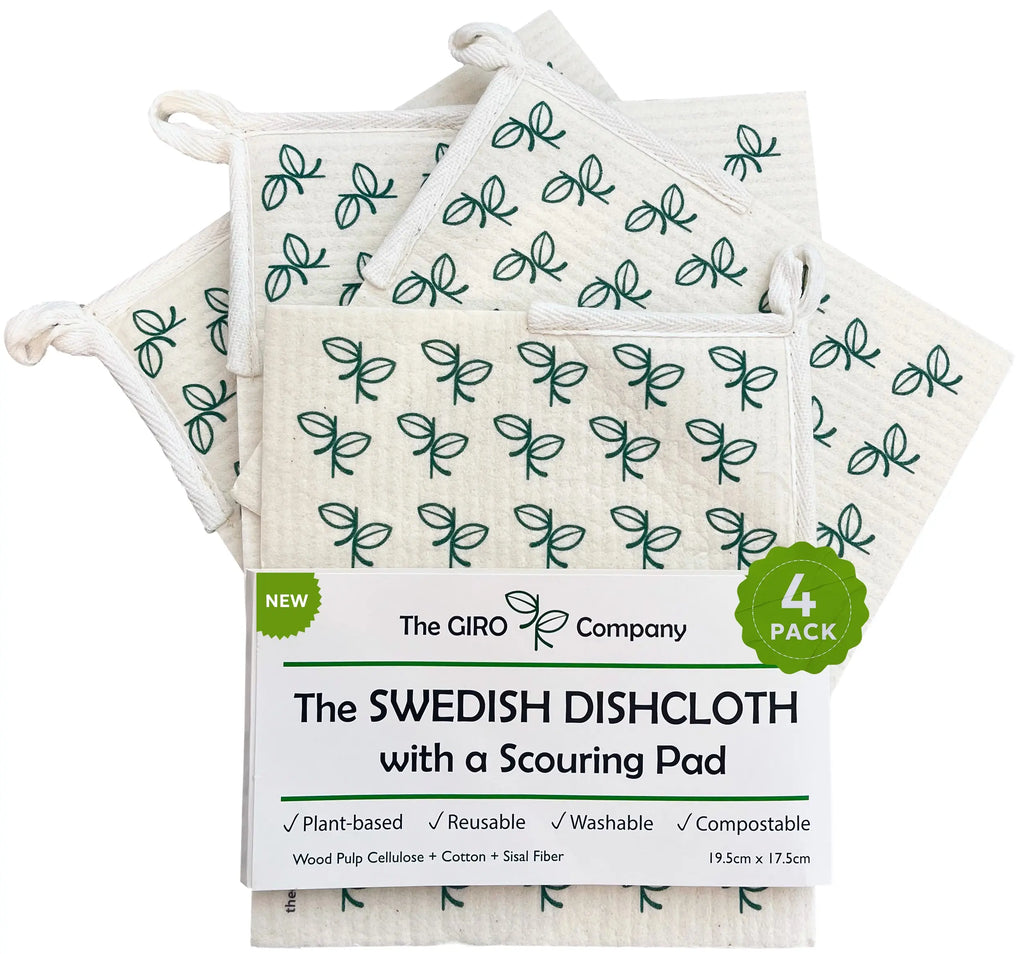
- Two Swedish dishcloths (about 8×7 in each): one just for the steam wand and one for everything else
- Hot water and a little dish soap
- A group head brush or an old soft toothbrush
- A blind basket (a basket with no holes), if your machine supports backflushing
- Espresso machine cleaning tablets or powder, and descaler, as recommended for your model
After every drink (about 30 seconds)
1. Purge and wipe the steam wand
This is the most important habit on the list. Right after steaming, point the wand into the drip tray and open the steam for a second or two to blow out milk from inside the tip. Then wipe the outside of the wand with a damp Swedish dishcloth while it's still warm. Fresh milk wipes off in one pass. Milk that's been left to bake on takes a soak and some scrubbing.
Keep one cloth just for the wand, so milk doesn't end up on the rest of the machine. Rinse it after each use, wring it out, and hang it to dry.
2. Knock out the puck and rinse the portafilter
Knock the used coffee puck into a knock box or the compost. Rinse the basket and portafilter under hot water to wash away the oily film, then wipe them dry. Leaving a used puck in the group head is the fastest way to get stale, bitter flavors in your next shot.
3. Wipe the drip tray grate and the front
Coffee drips and spatters dry quickly on the drip tray grate. Give the grate and the front of the machine a quick wipe with a damp cloth before they set.

Once a day
- Flush the group head. With the portafilter off, run a few seconds of water through the group head to rinse away loose grounds.
- Empty and rinse the drip tray. Standing coffee water gets funky fast. Rinse the tray with hot soapy water, then rinse and dry it.
- Refresh the water tank. Pour out old water and refill with fresh, filtered water if you can. It tastes better, and softer water means less scale.
Once a week: the deeper clean
4. Soak the basket and portafilter
Pop the basket out of the portafilter and soak both in hot water with a little espresso machine cleaner or dish soap (follow the product's directions) for about 15 to 20 minutes. Keep the plastic or wooden handle out of the water if your manual says to. Scrub off the brown coffee film with a brush, rinse well, and dry.
5. Scrub the group head and shower screen
Use a group head brush to scrub around the rubber gasket and across the shower screen, where coffee grounds and oils collect. Then flush a few seconds of water through. Some machines let you unscrew the shower screen for a deeper clean. Check your manual before you take anything apart.
6. Run the cleaning cycle or backflush
Many home machines have a built-in cleaning cycle that uses a cleaning tablet. Others are backflushed: you lock a blind basket with cleaner into the group head and run short on/off cycles so water pushes back through the valve. Only backflush if your manual says your machine supports it, since some machines aren't built for it. Afterward, run a few cycles with plain water to rinse.
7. Clean the steam wand tip
Even with daily purging, a little milk can collect in the steam tip holes. If your tip unscrews, soak it in hot water (or a milk-system cleaner if your manufacturer recommends one) and clear the holes with the small pin tool that came with your machine. For dried milk on the wand itself, wrap it in a hot, wet cloth for a few minutes to soften it, then wipe it clean.
8. Wipe down the outside
With the machine off and cool, wipe the body, cup tray, and drip tray with a damp, well-wrung Swedish dishcloth and a drop of dish soap. Then go over it again with a clean, damp cloth and buff it dry. On brushed stainless, wipe with the grain for a streak-free finish. Our stainless steel appliances guide has more tips. Keep water away from the display and buttons.

For dried coffee or milk on the drip tray or its grate, the cloth's sisal scouring corner gives you a bit more grip. Skip it on polished panels, the display, and plastic or coated parts, and test any spot first.
Every 1 to 3 months: descale
Tap water leaves minerals behind as it heats. Over time that scale slows the flow, affects temperature, and can shorten your machine's life. How often you need to descale depends on how hard your water is and how much coffee you make. Many machines will tell you when it's time.
- Mix the descaler with water as the package and your manual say.
- Run the descaling program, or follow the manual's steps to pull the solution through the group head and the steam and hot water outlets.
- Rinse thoroughly with several full tanks of fresh water until there's no taste or smell left.
- Replace the water filter, if your machine uses one, on the schedule in the manual.
Some dual-boiler and commercial-style machines have specific descaling instructions, or need professional service. Again, follow the manual.
Don't forget the grinder
If your machine has a built-in grinder, or you use a separate one, never wash the burrs with water. Brush out old grounds from the chute and hopper every week or two. Wipe the hopper with a dry or barely damp cloth, and let it dry completely before adding beans. If your manufacturer approves grinder-cleaning pellets, those help with oily buildup.
Take care of your cloth, too
Your coffee cloths work hard, so give them a fresh start often. Rinse them in hot water after each use, wring them out, and hang them by the loop to dry. Every few days, put them in the washing machine or on the dishwasher top rack. Skip the fabric softener, and hang them to dry. Our washing guide covers the details. If a cloth starts to smell sour, here's what to do, and if coffee leaves marks, see how to avoid stains.

Why a Swedish dishcloth works well at the coffee bar
- It soaks up drips fast. Made from 70% cellulose (plant-based wood pulp) and 30% cotton, a Giro cloth absorbs up to 15× its weight, so one damp cloth handles drips, spills, and the drip tray.
- Soft face, scrubbing corner. Wipe the wand and stainless with the soft waffle face, and save the sisal scouring corner for dried-on spots. More in our Swedish dishcloth with a scrubber guide.
- Fewer paper towels. A daily coffee habit can use up a lot of paper towels. One Swedish dishcloth replaces up to 15 rolls of paper towels over its life.
- Built to last. With regular washing, a cloth lasts about 2 to 3 months of daily use, and it's made from biodegradable plant fibers.
Espresso machine cleaning FAQ
How often should I clean my espresso machine?
Wipe and purge the steam wand and rinse the portafilter after every drink. Flush the group head and empty the drip tray daily. Do a deeper clean (soak, scrub, cleaning cycle or backflush) about once a week if you make coffee daily. Descale every 1 to 3 months, depending on your water.
Can I descale my espresso machine with vinegar?
Check your manual first. Many manufacturers recommend their own descaler or a citric-acid-based one instead, because vinegar can leave a lingering taste and may be hard on seals. If your manual does allow vinegar, rinse with several tanks of fresh water afterward. (Vinegar is fine for your cloth, though. See can you use vinegar on a Swedish dishcloth.)
Why does my espresso taste bitter or sour all of a sudden?
Old coffee oils in the basket, portafilter, and group head are a common cause of bitter, stale flavors. Do the weekly clean and see if it improves. If shots are also slow or the temperature seems off, it may be time to descale. Grind size and fresh beans matter too.
Can I put the portafilter or drip tray in the dishwasher?
Only if your manual says they're dishwasher-safe. Many portafilter handles and some coated parts aren't, so hand washing is usually the safer choice.
What about the rest of the kitchen?
Once the coffee bar sparkles, keep going with how to clean kitchen countertops, how to clean a toaster, and our list of everyday uses for Swedish dishcloths.
The bottom line
A clean espresso machine comes down to small habits. Purge and wipe the wand every time, rinse the portafilter, flush and empty the tray daily, do a deeper clean weekly, and descale when your water and your manual say so. Keep a couple of Giro Swedish dishcloths (70% cellulose / 30% cotton, about 8×7 in, with a sisal scouring corner) at the coffee bar for the wiping, then toss them in the wash. Giro comes in a 4-pack / 8-pack / 16-pack ($11.96 / $19.98 / $34.96) and ships from San Mateo.
Questions? Email help@thegirocompany.com.