Guides
How to Clean a Wood Table (Without Ruining the Finish)
October 23, 2026

A wood table takes a beating. Breakfast crumbs, sticky juice rings, homework, game night, and the occasional sweaty glass someone forgot a coaster for. The good news: most wood tables don't need special sprays or fancy polish. They need a gentle routine, very little water, and a soft cloth that won't leave lint or scratches behind. Here's how to clean a wood table without hurting the finish, plus what to do about the sticky spots and white water rings.
Short answer: for everyday cleaning, wipe the table with a Swedish dishcloth dampened in warm water and wrung out until it's barely damp, moving with the grain, then dry it. For grime or sticky spots, add a drop of mild dish soap to the water, wipe, go over it again with a clean damp cloth, and dry right away. Skip soaking-wet cloths, harsh cleaners, and anything abrasive.
First, figure out what finish you have
How you clean a wood table depends mostly on what's on top of the wood, not the wood itself.
- Sealed finish (most dining tables). Polyurethane, lacquer, or varnish leaves a hard, slightly glossy layer. Water beads up on it. This guide is written for sealed tables, and they're the easiest to keep clean.
- Oiled or waxed finish. These feel more natural and soak up a drop of water after a minute or two. Use even less water, skip the soap unless you really need it, and re-oil or re-wax on the schedule the maker recommends.
- Unfinished or raw wood. Water soaks in quickly and can raise the grain or leave marks. Stick to a dry or barely damp cloth, and treat spills right away.
Not sure? Put a single drop of water somewhere hidden, like the underside edge. If it beads, the table is sealed. If it darkens the wood and soaks in, treat it like oiled or unfinished wood. And if your table came with care instructions, follow those first.
What you need
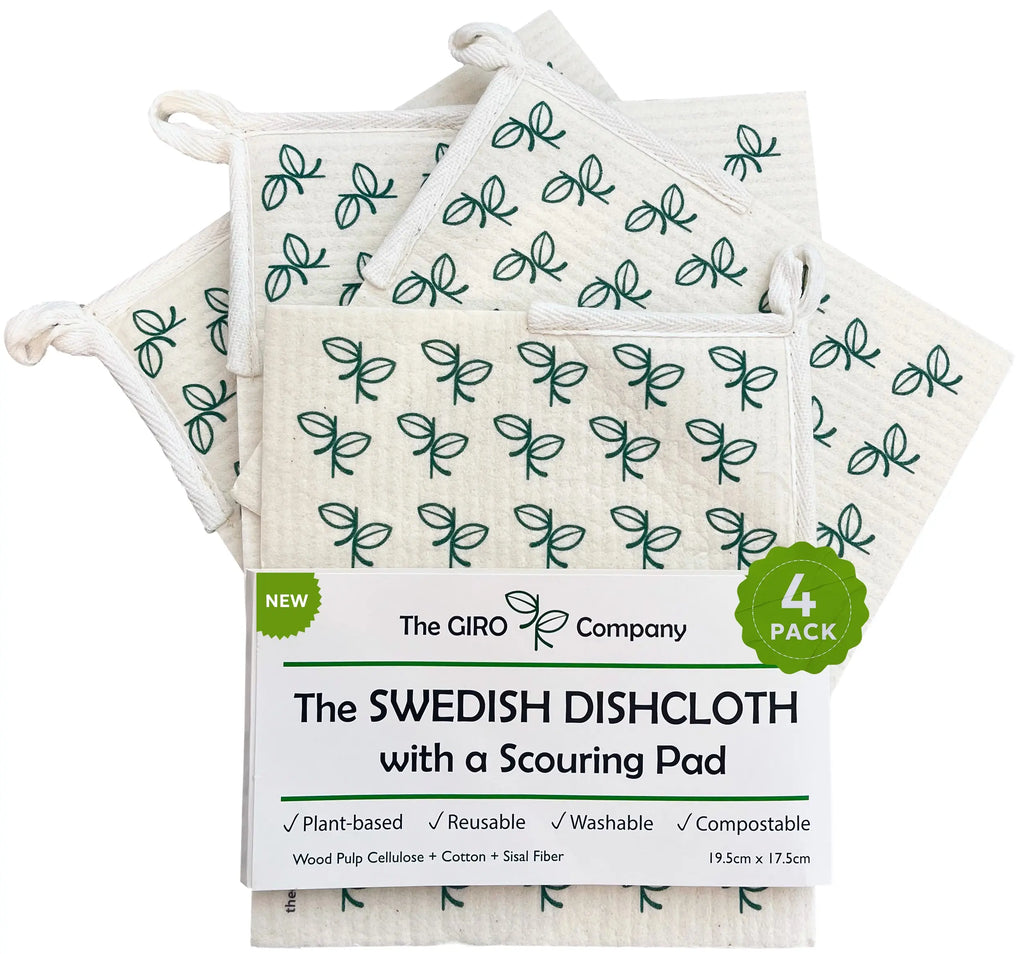
- Two Swedish dishcloths (about 8×7 in each): one to clean, one to dry and buff
- A bowl of warm water
- Mild dish soap (just a drop or two)
- Coasters and placemats for afterward
How to clean a wood table, step by step
1. Clear it and remove crumbs
Take everything off the table. Wipe crumbs and dust toward the edge with a dry or barely damp cloth and catch them in your hand or a dustpan. Dragging grit across the surface is how fine scratches happen, so get it off before you start wiping in earnest.
2. Wring the cloth out really well
This is the step that matters most. Wet a Swedish dishcloth in warm water, then wring it out hard. You want it damp, not dripping. A Swedish dishcloth holds a lot of water (up to 15 times its weight), so one good squeeze leaves just enough moisture to lift grime without puddling on the wood.
3. Wipe with the grain
Work in sections, wiping in long strokes that follow the direction of the wood grain. It cleans the little grooves better and leaves a more even look. Rinse and wring the cloth whenever it starts to look dirty.

4. Add a drop of soap only if you need it
For fingerprints, grease, or a film from cooking, add a drop or two of mild dish soap to the bowl of warm water. Dip, wring well, and wipe. Then rinse the cloth in plain water, wring it out, and go over the same area again to remove any soap residue, which can leave the finish looking dull or streaky.
5. Dry it right away
Finish by buffing the table dry with a second, clean, dry cloth. Don't let water sit on wood, even on a sealed finish. Standing moisture is what causes white rings and swelling at seams and edges.
How to get sticky spots off a wood table
Dried juice, syrup, or jam is the classic dining table problem. Lay a warm, damp (well-wrung) cloth over the spot for a minute to soften it, then wipe it away with the grain. Repeat if needed, then dry. Avoid picking at it with a knife or scraping it with anything rough.
One tip: the sisal scouring corner on a Giro cloth is great for stuck-on food on pans and counters, but don't use it on finished wood. Use the soft side of the cloth on your table and save the corner for the stovetop and the sink.
How to deal with water rings
Not all rings are the same, and the color tells you a lot.
- White or cloudy rings usually mean moisture got trapped in the finish, not in the wood. These often fade on their own over a few days as the moisture escapes. A gentle way to help: set a hair dryer on low and keep it moving a few inches above the ring for a minute at a time, checking as you go. Don't overheat one spot.
- Dark rings mean water got through the finish and into the wood itself. These are harder to fix at home and may need light sanding and refinishing. For a valuable or antique piece, talk to a furniture refinisher before you try anything.
Before trying any home remedy you read about online, test it in a hidden spot first. Some finishes react badly to heat, oils, or mild abrasives.
What not to use on a wood table
- A soaking-wet cloth or a spray bottle aimed at the table. Too much water is the enemy. Dampen the cloth, not the wood.
- Harsh or all-purpose sprays with bleach or ammonia, which can cloud or dull many finishes.
- Straight vinegar. It's acidic, and on some finishes it can leave the surface dull over time. If you like using it, dilute it heavily and test first. (It's fine on your cloth, though. See can you use vinegar on a Swedish dishcloth.)
- Abrasive pads, scouring powders, or steel wool, which scratch.
- Heavy furniture polish every week. Silicone-based sprays can build up into a cloudy, sticky layer. Most sealed tables look great with just a damp wipe and a dry buff.
Other wood furniture: same idea
Side tables, console tables, dressers, and shelves all follow the same rules: crumbs and dust off first, a barely damp cloth, wipe with the grain, then dry. For pieces that mostly collect dust, a dry or lightly damp Swedish dishcloth is often all you need. Our guide on how to dust with a Swedish dishcloth has more on that.

Kitchen cabinets are a slightly different job, since they collect cooking grease. See how to clean kitchen cabinets for that.
Keep it looking good: easy daily habits
- Use coasters, placemats, and trivets. Heat and moisture cause most of the damage tables suffer.
- Wipe spills as soon as they happen, then dry the spot.
- Give the table a quick damp wipe and dry after meals instead of a big scrub once a week.
- Keep it out of strong direct sunlight if you can, which can fade some finishes over time.
Why a Swedish dishcloth works well on wood
- Soft and gentle. Giro cloths are made from 70% cellulose (plant-based wood pulp) and 30% cotton, so they're soft on finishes and don't leave lint behind the way some towels do.
- Easy to control the water. The cloth soaks up a lot and wrings out well, so it's easy to get it just damp.
- Fewer paper towels. Wiping a table after every meal goes through a lot of paper. One Swedish dishcloth replaces up to 15 rolls of paper towels over its life.
- Built to last. With regular washing, a cloth lasts about 2 to 3 months of daily use, and it's made from biodegradable plant fibers.
Take care of your cloth, too
Rinse your table cloth in warm water after each use, wring it out, and hang it to dry so it stays fresh. Every few days, toss it in the washing machine (no fabric softener) or on the top rack of the dishwasher, then hang dry. More tips in how to wash a Swedish dishcloth.

Wood table cleaning FAQ
Can I clean a wood table with just water?
Yes. For everyday cleaning on a sealed table, a cloth dampened with warm water and wrung out well is usually all you need. Dry the surface afterward.
Is dish soap safe on a wood table?
A drop or two of mild dish soap in warm water is generally fine on sealed wood. Wipe again with plain water to remove residue, then dry. On oiled or waxed wood, use soap sparingly, if at all.
How often should I clean my wood table?
A quick damp wipe and dry after meals keeps buildup from forming. A slightly deeper clean with a drop of soap once a week or so is plenty for most families.
Should I polish my wood table?
Not often. Most sealed tables look their best with regular gentle cleaning. If you like to polish, do it occasionally, use a product made for your finish, and avoid heavy silicone sprays that build up.
What about the rest of the house?
Once the table looks great, keep going with how to clean kitchen countertops and our list of everyday uses for Swedish dishcloths.
The bottom line
Cleaning a wood table is mostly about restraint: a barely damp cloth, a drop of soap only when needed, wiping with the grain, and drying right away. Keep a couple of Giro Swedish dishcloths (70% cellulose / 30% cotton, about 8×7 in, with a sisal scouring corner for tougher jobs elsewhere) near the table for spills, then toss them in the wash. Giro comes in a 4-pack / 8-pack / 16-pack ($11.96 / $19.98 / $34.96) and ships from San Mateo.
Questions? Email help@thegirocompany.com.